
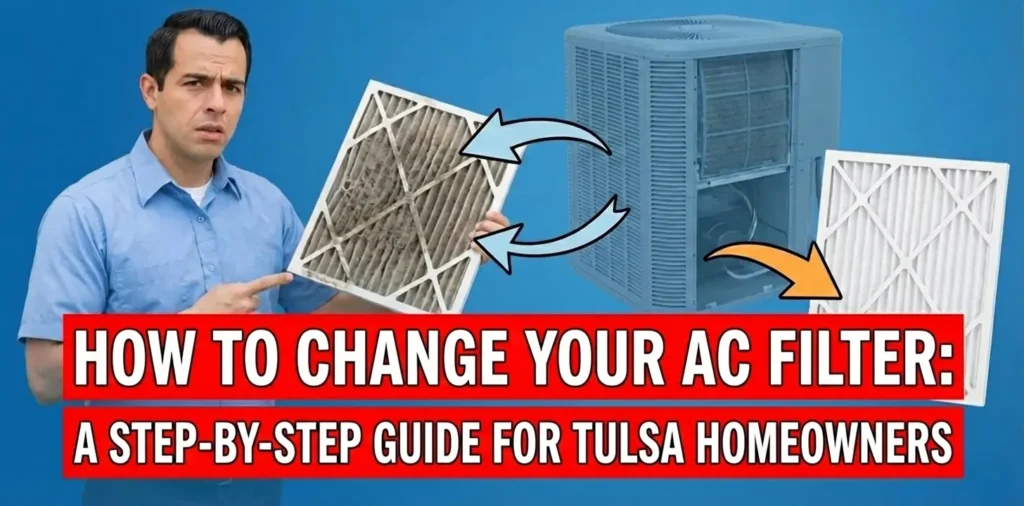
Keeping your AC filter clean is crucial for maintaining healthy indoor air quality and ensuring your HVAC system runs efficiently, and this guide walks you through everything you need to know to do it right. You discover the fundamental role your AC filter plays in filtering airborne particles and safeguarding your HVAC unit. Choosing the correct filter involves identifying the right size and selecting an appropriate MERV rating, perhaps a MERV 8-11 for homes with pets or allergy sufferers. You gather a few simple tools and follow a straightforward, step-by-step process to locate, remove, and install your new filter, paying close attention to airflow direction. Ignoring regular filter changes can lead to increased energy bills and reduced system performance, while understanding your home’s unique needs helps determine how often you replace it. You also explore considerations for multi-filter setups and the broader benefits of comprehensive HVAC care. By mastering these steps, you ensure your home remains comfortable, your air stays cleaner, and your HVAC system operates at its peak.
Understanding Your AC Filter: Importance and Basics
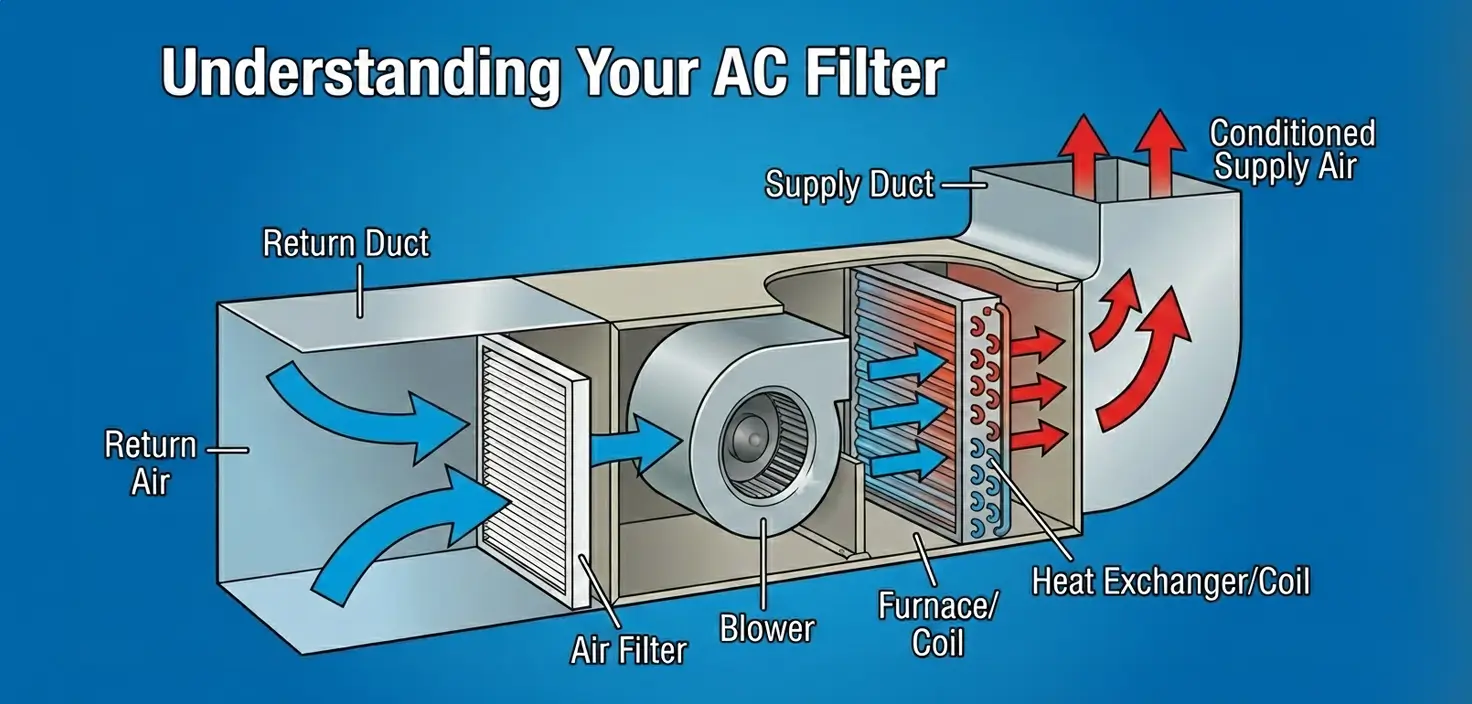
Your AC filter is a small but mighty part of your heating, ventilation, and air conditioning (HVAC) system, trapping common airborne troublemakers like dust, pollen, and pet dander. It shields your system’s inner workings from buildup and keeps your indoor air cleaner. Think of it as your HVAC system’s personal bodyguard. If you have a furnace, it does the same job, cleaning the air before it is heated or cooled. Most furnaces do have a built-in filter, keeping your air fresh year-round.
Why Regular Filter Changes are Essential
Regular filter changes are vital for efficiency and cleaner air. This simple task stops debris from clogging your ductwork and coils. The U.S. Department of Energy confirms a clean filter can cut your HVAC system’s energy consumption by 5% to 15%. Beyond saving energy, a fresh filter significantly reduces allergens and pollutants. This is crucial in Oklahoma, where our extreme heat and cold demand constant system use, and the Capehart team understands how those seasonal allergies can be tough. You will know it is time for a change if airflow slows from your vents or you see visible dirt. Don’t let your system gasp for air. This quick check keeps your system happy, but choosing the right filter makes all the difference for your home’s air quality and system longevity.
Gathering Your Tools and Selecting the Right AC Filter
Changing your AC filter is a simple task that keeps your home comfortable. This essential maintenance ensures optimal air quality and system efficiency. It also prevents the dreaded “guess whose filter is still full of pet dander?” moment.
1. Finding Your Filter Size
Check your current filter or HVAC unit for dimensions (length x width x thickness). An exact fit is crucial for optimal air conditioning function. This prevents unfiltered air from bypassing your system.
| Common Filter Sizes | Typical Use |
|---|---|
| 20x20x1 | Most common residential size |
| 16x25x1 | Standard return air vents |
| 16x20x1 | Smaller HVAC systems |
| 20x25x1 | Larger residential units |
| 20x25x4 | Media filter cabinets (longer lasting) |
2. Choosing the Right MERV Rating
MERV (Minimum Efficiency Reporting Value) ratings (1-20) denote filtration effectiveness. Higher MERV filters capture more particles like pet dander and allergens. The EPA suggests MERV 8-13 for most homes. This balances air quality with proper airflow. Understanding these ratings helps you make the best choice for your home’s air quality and system health. Getting this filter installed correctly ensures you’re on the path to cleaner air and a more efficient HVAC system.
| MERV Rating | Captures | Best For |
|---|---|---|
| 1-4 | Large dust, pollen | Minimal filtration, budget option |
| 5-8 | Dust mites, mold spores, pet dander | Average homes, good baseline |
| 9-12 | Fine dust, legionella, humidifier dust | Allergy sufferers, pet owners |
| 13-16 | Bacteria, tobacco smoke, sneeze droplets | Superior air quality, health concerns |
| 17-20 | Viruses, carbon dust, microscopic particles | Hospitals, clean rooms (not typical homes) |
Finding Your Filter and Step-by-Step Replacement Guide
Replacing your AC filter is a simple process, and honestly, a small act of kindness for your hard-working HVAC system. You’ll locate it, safely power down, remove the old, and install the new. Just remember: the airflow arrow must point towards your furnace for optimal efficiency and cleaner air, crucial for your Tulsa home.
Locate and Power Down
Find your filter in return air vents on walls or ceilings, or directly within your furnace unit in closets or attics. For safety, turn off your HVAC system at both the thermostat and its dedicated electrical breaker. This proper shutdown ensures a smooth, safe replacement.
- Locate your filter – Check return air vents (walls/ceilings) or inside the furnace unit
- Turn off your system – Switch thermostat to “off” and flip the breaker for safety
- Remove the old filter – Slide it out carefully, noting the airflow arrow direction
- Check the filter size – Confirm dimensions printed on the filter frame match your new one
- Insert new filter – Airflow arrow must point TOWARDS the furnace/air handler
- Secure the cover – Replace any vent covers or access panels
- Restore power – Turn breaker and thermostat back on
- Verify operation – Confirm system runs normally and air flows from vents
Remove Old, Insert New (Airflow is Key)
Carefully remove the old filter. When installing the new one, always ensure the airflow arrow points towards your furnace or air handler, never away. Installing it backward restricts airflow, reduces efficiency, and can damage your system.
- Restricts airflow significantly
- Reduces filtration effectiveness
- Makes your system work harder
- Can cause system damage over time
Restore Power
Flip the breaker and thermostat back on. Then, confirm your system operates normally, providing that sweet, comfortable air once again.
How Often to Change Your AC Filter and the Impact of Neglect
Leaving your AC filter unchanged is like asking your system to run a marathon with a blindfold on. This simple neglect chokes airflow, strains your HVAC system, and consumes more energy. A 2020 Entergy blog post reports clogged filters can hike power consumption by 15%. This constant overexertion causes costly component failures and shortens your unit’s overall lifespan, a common issue we see in Tulsa.
| Household Situation | Recommended Frequency | Why |
|---|---|---|
| Average home, no pets | Every 90 days | Standard dust accumulation |
| Home with 1 pet | Every 60 days | Pet dander adds to buildup |
| Multiple pets | Every 30 days | Significant hair and dander |
| Allergy sufferers | Every 30-45 days | Maximize air quality |
| Smokers in home | Every 30 days | Smoke particles clog filters fast |
| Rarely used vacation home | Every 6-12 months | Minimal air circulation |
Filter Maintenance Guidelines
For optimal air quality and system efficiency, change filters monthly if you have pets or allergies. Otherwise, aim for every 30-90 days. Most filters are disposable and crucial for effective HVAC maintenance. This simple task is a core part of protecting your home’s comfort and investment.
Signs Your Filter Desperately Needs Changing
- Visible dirt/dust coating the filter surface
- Reduced airflow from vents
- Increased dust on furniture and surfaces
- Allergy symptoms worsening indoors
- Higher energy bills without explanation
- System running longer to reach set temperature
- Musty or dusty smell when system runs
Why Your HVAC Needs More Than One Filter
Dual or multi-filter HVAC systems utilize more than one air filter for better indoor air quality and component protection. These setups often feature a furnace filter at the air handler, plus additional return air filters throughout your ductwork. Understanding your home’s unique filter arrangement is vital for proper maintenance and efficient operation, helping you avoid an unexpected dust bunny rebellion.
Risks of Skipping Proper Filtration
Using just one filter in a system designed for two restricts airflow, reducing efficiency and potentially damaging your HVAC equipment. Operating a furnace without any filter allows dust and debris to accumulate on vital components. This creates a serious fire hazard, as a 2022 report by the National Fire Protection Association (NFPA) points out. Such neglect compromises both indoor air quality and system safety, underscoring the importance of proper indoor air quality solutions. Ensuring you have the right filters in place is the first step toward safeguarding your system and your home.
- Dust to coat your evaporator coil (reduces efficiency)
- Debris to damage blower motor components
- Potential fire hazard from buildup
- Poor air quality throughout your home
Common Multi-Filter Locations to Check
- Furnace/air handler – Usually a slot near the blower
- Return air grilles – Large vents on walls or ceilings
- Ceiling returns – Often in hallways or central areas
- Media filter cabinet – Separate box near furnace (uses thicker filters)
Beyond the Filter: Why Professional HVAC Care Matters
Changing your AC filter is a simple task you can manage. Yet, comprehensive professional HVAC care is vital for optimal system health. It prevents costly breakdowns, particularly with Oklahoma’s extreme climate. Regular, comprehensive tune-ups significantly extend your system’s life and ensure peak performance. This boosts energy efficiency and keeps your home comfortable, preventing those dreaded surprise failures when you need your AC the most. This proactive approach tackles hidden issues far beyond routine filter changes, safeguarding your investment and improving indoor air quality. Trust licensed mechanical contractors like Capehart Heating & Cooling for peace of mind. They expertly tackle Oklahoma’s unique climate challenges.
- You can handle: Filter changes, visual inspections, keeping vents clear
- Pros should handle: Coil cleaning, refrigerant checks, electrical inspections, duct cleaning
- Recommended: Annual professional tune-up PLUS regular filter changes
- Best timing: Schedule tune-up in spring (before cooling season)
Frequently Asked Questions About AC Filters
Keeping your AC filter clean is crucial for home comfort and your system’s long life. Many homeowners ask how often to change it. Trust me, you don’t want to find out the hard way why it matters. Your home’s specific environment truly sets the pace.
Ignoring your AC filter reduces airflow, forcing your system to work overtime. That means it uses more energy. The U.S. Department of Energy states a dirty filter can hike energy use by 5% to 15%. This strain cuts down on cooling and shortens your unit’s life, often leading to more AC repairs.
The Minimum Efficiency Reporting Value (MERV) rating indicates an air filter’s ability to capture airborne particles. MERV ratings range from 1 to 20; a higher number signifies greater efficiency in trapping smaller particles. For instance, a MERV 8 filter typically captures pollen, dust mites, and pet dander, while a MERV 13 filter, often recommended for homes with allergy sufferers, can trap microscopic allergens, mold spores, and even some bacteria.
Yes, a severely dirty AC filter can indeed cause your unit to freeze. When the filter becomes clogged with dust and debris, it significantly restricts the airflow over the evaporator coil. This lack of warm air prevents the coil from absorbing enough heat, causing its temperature to drop excessively. Consequently, moisture in the air condenses and freezes on the coil’s surface, leading to ice buildup that further impedes airflow and can ultimately stop your system from cooling effectively.
While filter sizes vary widely depending on the HVAC system, one of the most common air filter sizes found in American homes is 20x20x1 inches. Other frequently encountered dimensions include 16x25x1, 16x20x1, and 20x25x1 inches. It is always best to check the existing filter or your HVAC system’s manual for the precise dimensions needed for your specific unit.
Expensive filters often boast higher MERV ratings, meaning they can capture a greater percentage of smaller airborne particles. However, a higher MERV rating does not automatically equate to a better filter for every home or HVAC system. Some older or less powerful HVAC systems may struggle with the increased airflow resistance of very high MERV filters, potentially leading to reduced system efficiency and increased strain on the blower motor. The “best” filter balances filtration needs with your system’s capabilities and your household’s specific requirements, such as allergies or pets.
Using a higher MERV filter than your HVAC system is designed for can pose problems. While a higher MERV rating offers superior air filtration, these filters are denser and can significantly restrict airflow. This restriction forces your HVAC system to work harder to pull air through, which can lead to increased energy consumption, reduced cooling or heating efficiency, and premature wear on components like the blower motor. Always consult your system’s manufacturer recommendations or a professional HVAC technician before upgrading to a much higher MERV rating.
Absolutely. Regularly changing your AC filter is one of the simplest yet most effective ways to improve your air conditioning performance. A clean filter ensures unobstructed airflow, allowing your system to operate at its optimal efficiency. This not only helps maintain consistent cooling throughout your home but also reduces the strain on your HVAC unit, lowers energy consumption, and extends the lifespan of the system itself.
Buying very cheap AC filters, often characterized by low MERV ratings, is not inherently “bad,” but it comes with trade-offs. These basic filters primarily protect your HVAC system from larger dust particles and debris, offering minimal improvement to indoor air quality. They are often less effective at trapping smaller allergens and pollutants. While they are budget-friendly, they provide less comprehensive air filtration compared to higher MERV options, potentially impacting both indoor air quality and the long-term cleanliness of your HVAC components.
- Set a phone reminder to check your filter monthly
- Buy filters in bulk (3-4 pack) to always have spares
- Write the installation date on the filter frame with a marker
- Take a photo of your filter size for easy reference when shopping
Ready for Optimal Home Comfort?
Regular filter changes are vital for maintaining your HVAC system’s efficiency and protecting your indoor air quality. For complete peace of mind and to ensure your heating and cooling system runs flawlessly throughout the year, professional maintenance and timely repairs are indispensable.
From routine tune-ups to emergency service, our certified technicians are equipped to handle all your HVAC needs. Contact Capehart Heating & Cooling today to schedule your professional maintenance!